MIC Use Case
Deburring cells
Automate deburring with parameter control, finishing quality, and full part-level traceability.
MIC connects programming, execution, and control of deburring cells to stabilize surface quality, reduce variability, and increase performance with operational safety.
MIC PHILOSOPHY: MODULAR PLATFORM, PROGRESSIVE TRANSFORMATION
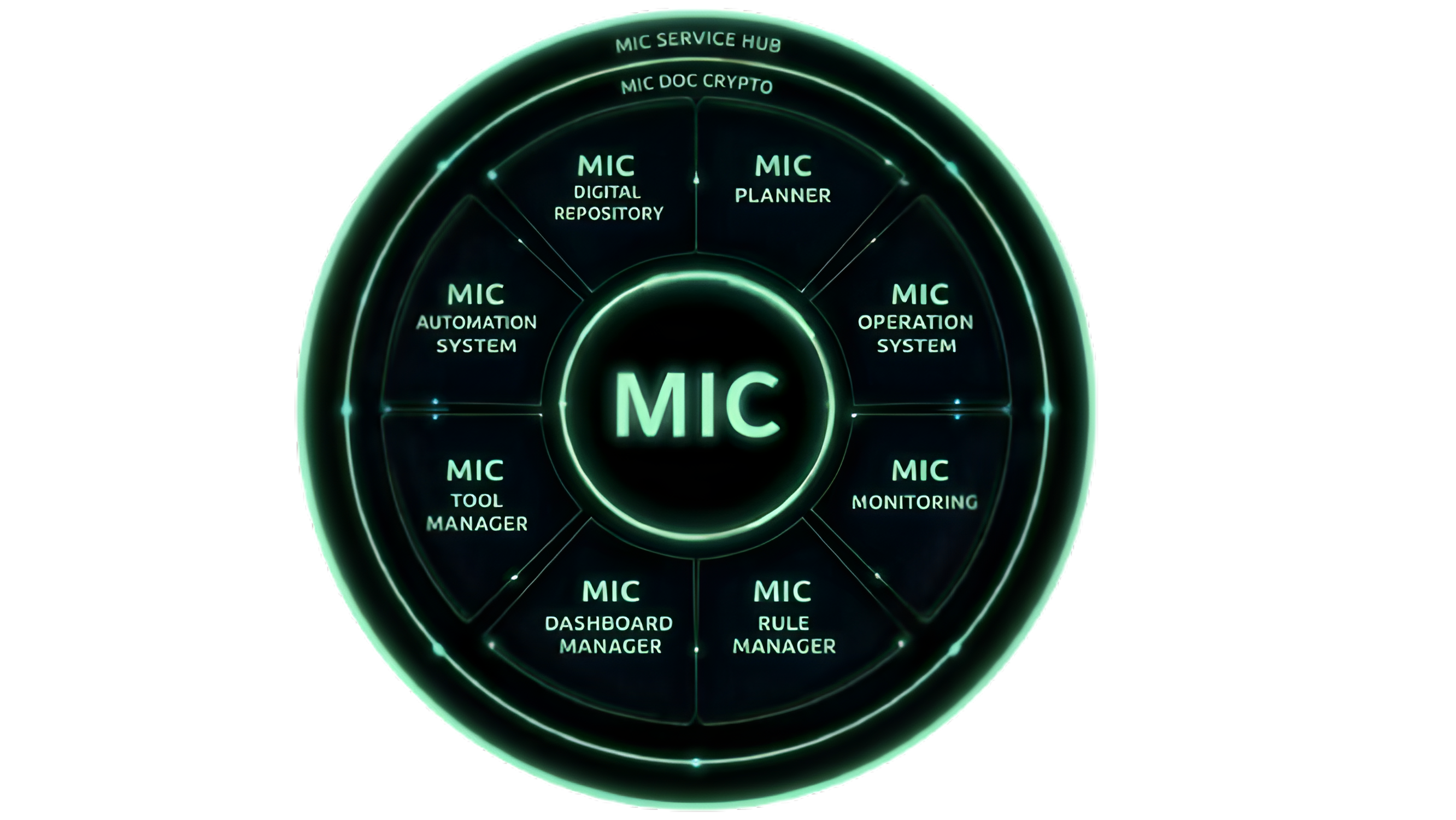
MIC is built on a clear vision: a modular platform that adapts to the digital maturity of each industrial organization. Instead of imposing a rigid model, MIC enables progressive deployment of use cases by combining modules to solve concrete needs in operations, maintenance, quality, planning, and control.
Its architecture allows teams to start by digitalizing a specific part of plant operations and evolve in an orderly way toward advanced automation scenarios. This enables standardization, equipment connectivity, and coordinated operations across multiple sites while keeping traceability, operational consistency, and scalability throughout the industrial lifecycle.
From targeted digitalization to full automation, MIC supports every stage of industrial transformation.
Signals you need this use case
Variable finishing
Inconsistent surface quality across shifts, operators, or references.
Frequent rework
Rework caused by residual burrs or overprocessing in critical zones.
Unstable cycles
Difficulty maintaining target times and cell balance.
Operational safety
High risk without controlled sequences across robot, CNC, safety, and fixtures.
Lack of traceability
There is no clear evidence of parameters and execution per part.
Limited improvement capacity
Without structured data, optimizing programs and process conditions is slow.
HOW MIC SOLVES DEBURRING CELLS IN 6 STEPS
MIC integrates process design, automation, execution, and analytics to maintain finishing quality with robust control in every cycle.
MIC Digital Repository: recipes, parameters, and standards
What it centralizes
- Deburring programs by reference and part family.
- Process parameters, tools, and acceptance criteria.
- Validated versions with technical change history.
What it delivers
A shared technical base to ensure process consistency across operations.
Each reference runs with its controlled recipe.
MIC Automation System: orchestration of robot, CNC, and safety
Cell control
Centralized governance of sequences, states, and interlocks for safe and repeatable operation.
Benefit
Fewer unplanned stops and greater cycle robustness under real production conditions.
Guided operator and maintenance execution
How it works
Step-by-step instructions for setup, tool change, safety checks, and controlled startup.
Outcome
Reduced setup errors and better operational continuity during batch changes.
In-line finishing quality control
Checkpoints by zone
Verification of critical part areas with explicit criteria.
Evidence logging
Capture of data, observations, and images linked to the cycle.
Non-conformity management
Defect classification and launch of corrective actions.
Preventive lock
Prevents releasing parts when defined criteria are not met.
Traceability by part and by cell cycle
What it records
Applied program, parameters used, cycle times, incidents, and quality outcome.
Value
Auditable history for customers, internal quality, and data-driven process improvement.
Continuous optimization of programs and productivity
Operational analysis
Identifies time deviations, recurring defects, and conditions that hurt performance.
Improvement action
Adjust programs, sequences, and parameters to stabilize quality and increase throughput.
What your organization gets from this use case
Operational outcome
- Greater consistency in surface finish.
- Reduced rework and waste.
- Better cycle stability in the cell.
- Complete traceability per part.
- Safer and more controlled operation.
KPIs you can improve
- Deburring First Pass Yield.
- Average cycle time per reference.
- Rework rate due to finishing defects.
- Operational cell availability.
- Cost per part in the deburring process.
MIC turns deburring into an automated, traceable process focused on sustained quality.
If you want, we can show you how to apply this use case in a pilot cell and scale it across your finishing lines.